Susan Evelyn Dickinson
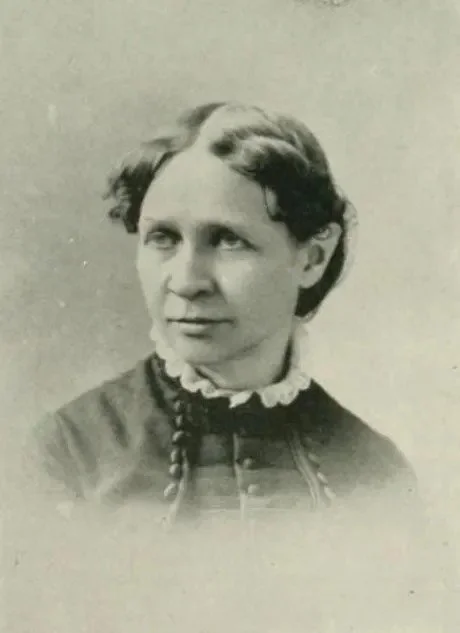
During her era, few women held as much power and influence in Northeastern Pennsylvania as writer and poet Susan Evelyn Dickinson. Arriving in the Coal Region in the 1870s, Dickinson emerged as a prominent advocate for coal miners’ families and women's rights heading into the twentieth century.
Susan was born on August 25, 1832, in Wernersville, Pennsylvania, as the eldest child of John and Mary Dickinson, both Quakers and committed abolitionists. Following the death of her father—an abolitionist and merchant—from a heart attack in 1844, the family faced financial difficulties and relocated to Philadelphia. There, Susan and her siblings attended the Quaker Friends School. At sixteen, she commenced her career as a teacher, continuing in this role into the 1860s despite not finding it particularly fulfilling.
In addition to her teaching responsibilities, Susan actively pursued writing, contributing poetry and short stories to various newspapers. During the Civil War, she transitioned to a full-time journalism career and served as a Washington, D.C. correspondent for the New York Tribune.
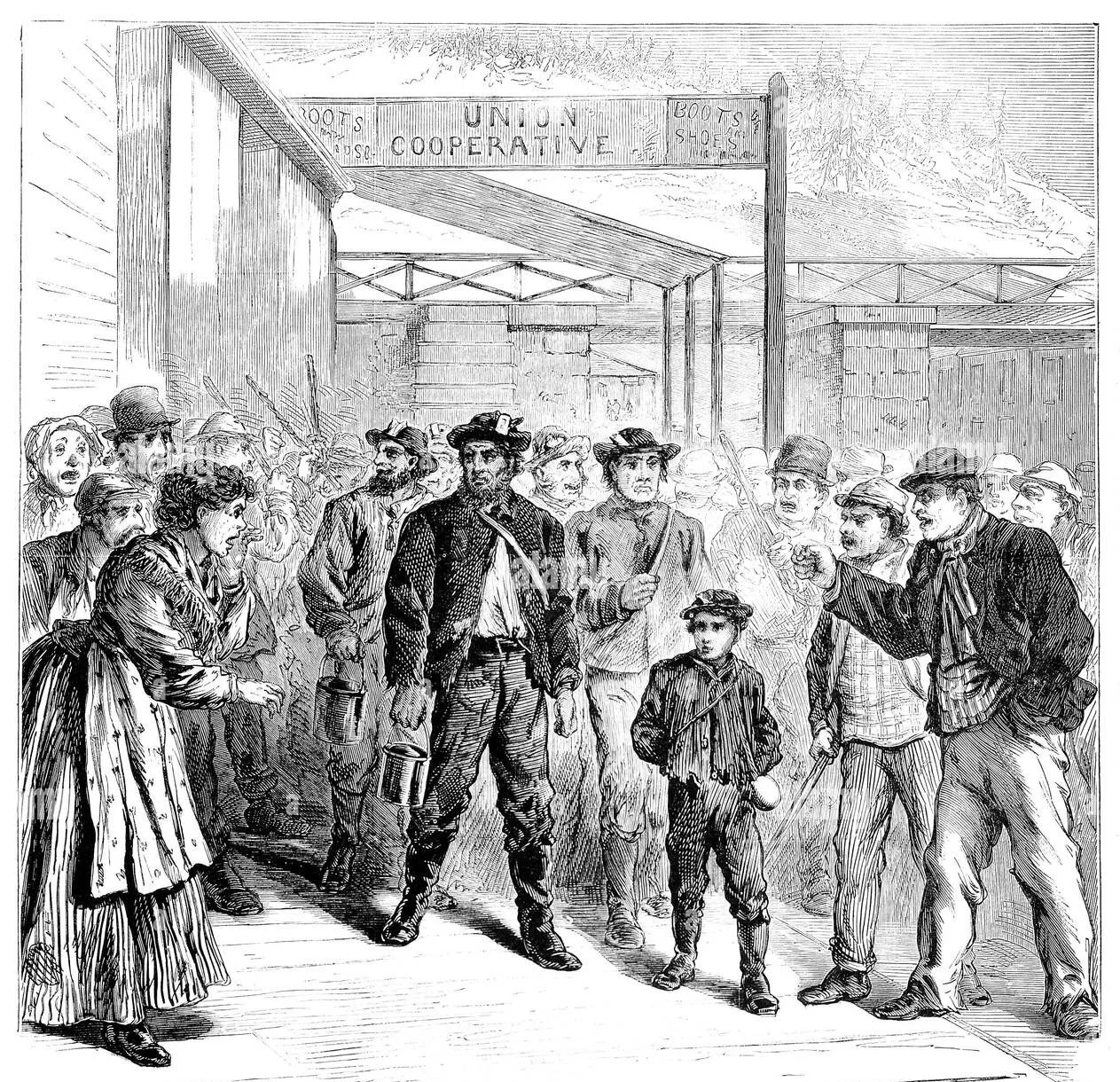
After 1872, Susan worked in West Pittston, Pennsylvania, covering stories about the labor and management strife in the coal mining industry. She regularly visited local mines and breakers to perform research among the coal miners.
She took long trips up and down the valley in quest of information... pushing her way like a messenger of light among the grime and dust of coal breakers, the roar of machinery, or along the subterranean chambers of the mine... she feels it is her duty even in the ordinary pursuit of life to be doing good—righting some wrong, correcting some error, suggesting some reform by which men and women would be their better selves.
— History of Luzerne, Lackawanna, and Wyoming Counties, Pennsylvania
Susan E. Dickinson wrote extensively on women's rights, the suffrage movement, art, and history. Her work appeared regularly in major newspapers such as The Philadelphia Press, New York Graphic, New York Herald, The Pittston Gazette, Scranton Times, The Wilkes-Barre Record, The Scranton Tribune, and Boston Evening Traveller. It could be easily argued that she contributed more than any other writer to showcasing the positive aspects of life in the coal regions.
Page Sponsored By