
Ellen Webster Palmer
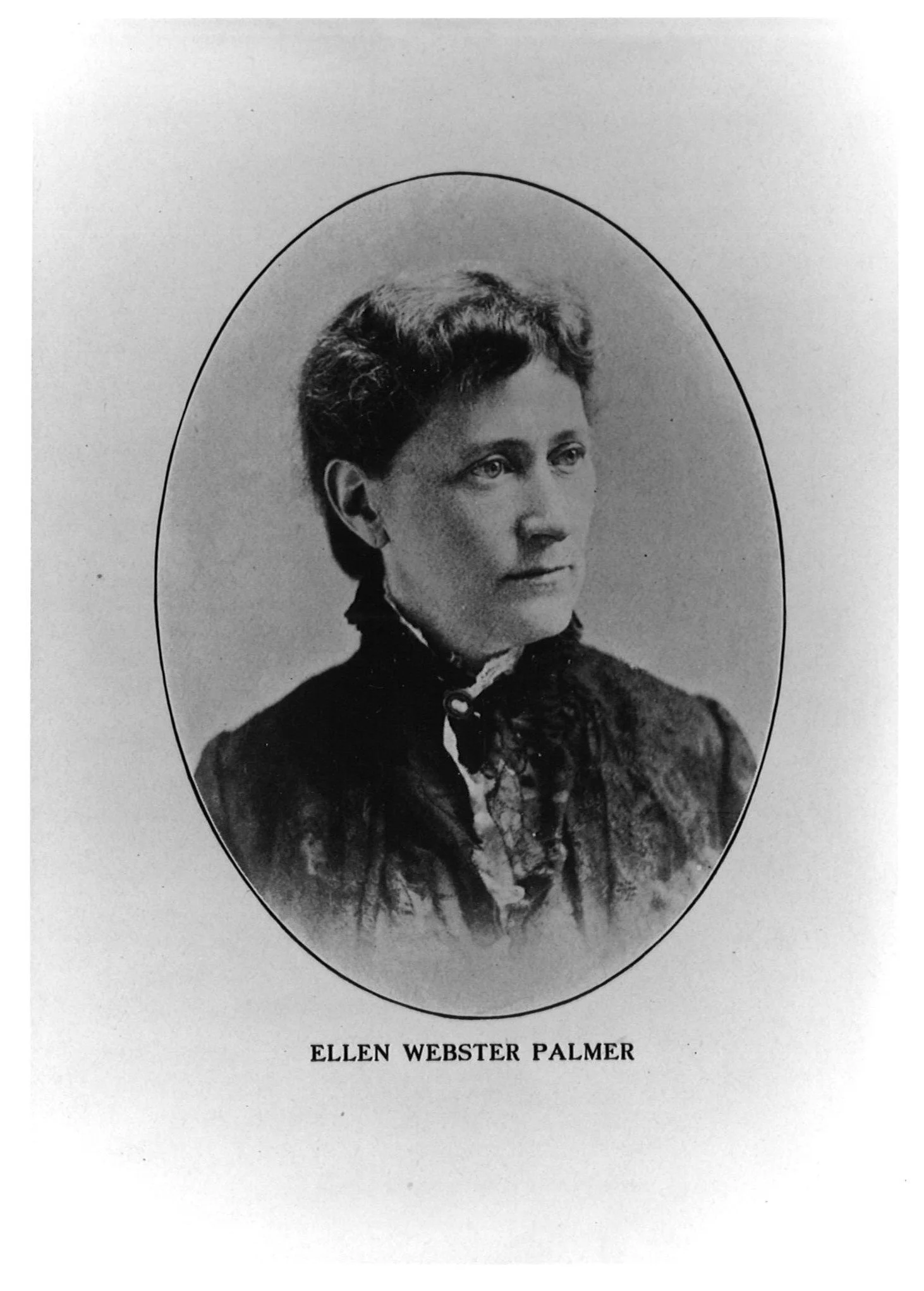
Ellen Webster Palmer (1839 - 1918) was an early advocate for breaker boys and child labor laws. Her efforts impacted the quality of life for thousands of children, and helped create meaningful legal protection for young workers.
Ellen Webster Palmer was an early advocate for breaker boys and child labor laws. Born in 1839 in Plattsburg, New York, Palmer later relocated to Wilkes-Barre, Pennsylvania, where she worked as an elementary school teacher. She married Henry Wilbur Palmer in 1861, and together they had eight children.
Palmer became notable for her advocacy for breaker boys—young boys aged six to nine who endured grueling 10-12 hour shifts in the coal mines six days a week. At that time, child labor laws either did not exist, or were not enforced to protect them from being put to work in the mines.
In 1891, she helped establish the Boys Industrial Association (BIA), which by 1899 operated its own building in downtown Wilkes-Barre. The BIA provided instruction in mathematics, reading, and writing. During summer, Palmer organized trips for the breaker boys to Lake Nuangola for recreation. She was supported by Mary L. Trescott, Luzerne County’s first female lawyer, who served as secretary of the BIA and assisted in expanding and relocating the association to a larger facility.
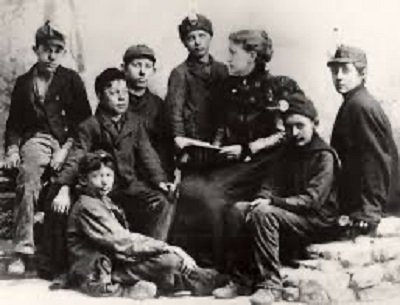
Palmer played a significant role in raising public awareness regarding the conditions experienced by young boys, and the effects of the harsh environment and long hours they endured. Her advocacy with the public and elected officials helped lead to the enactment of state legislation in 1903 that prohibited the employment of children in mines.
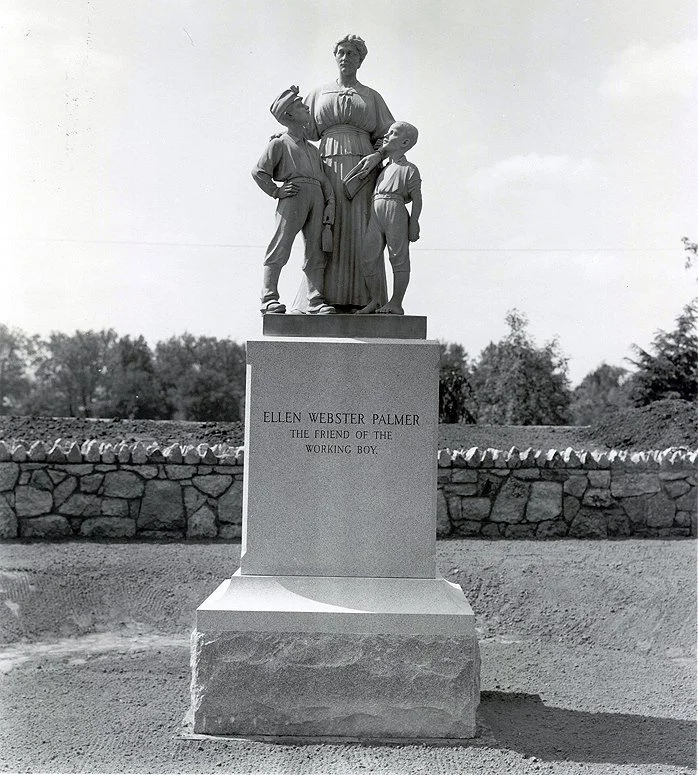
In 1921, a statue commemorating Ellen Webster Palmer was installed near the Luzerne County Courthouse along the Susquehanna River in Wilkes-Barre. The unveiling ceremony was attended by hundreds of former students from the Boys Industrial Association school.
